












What is fitness?
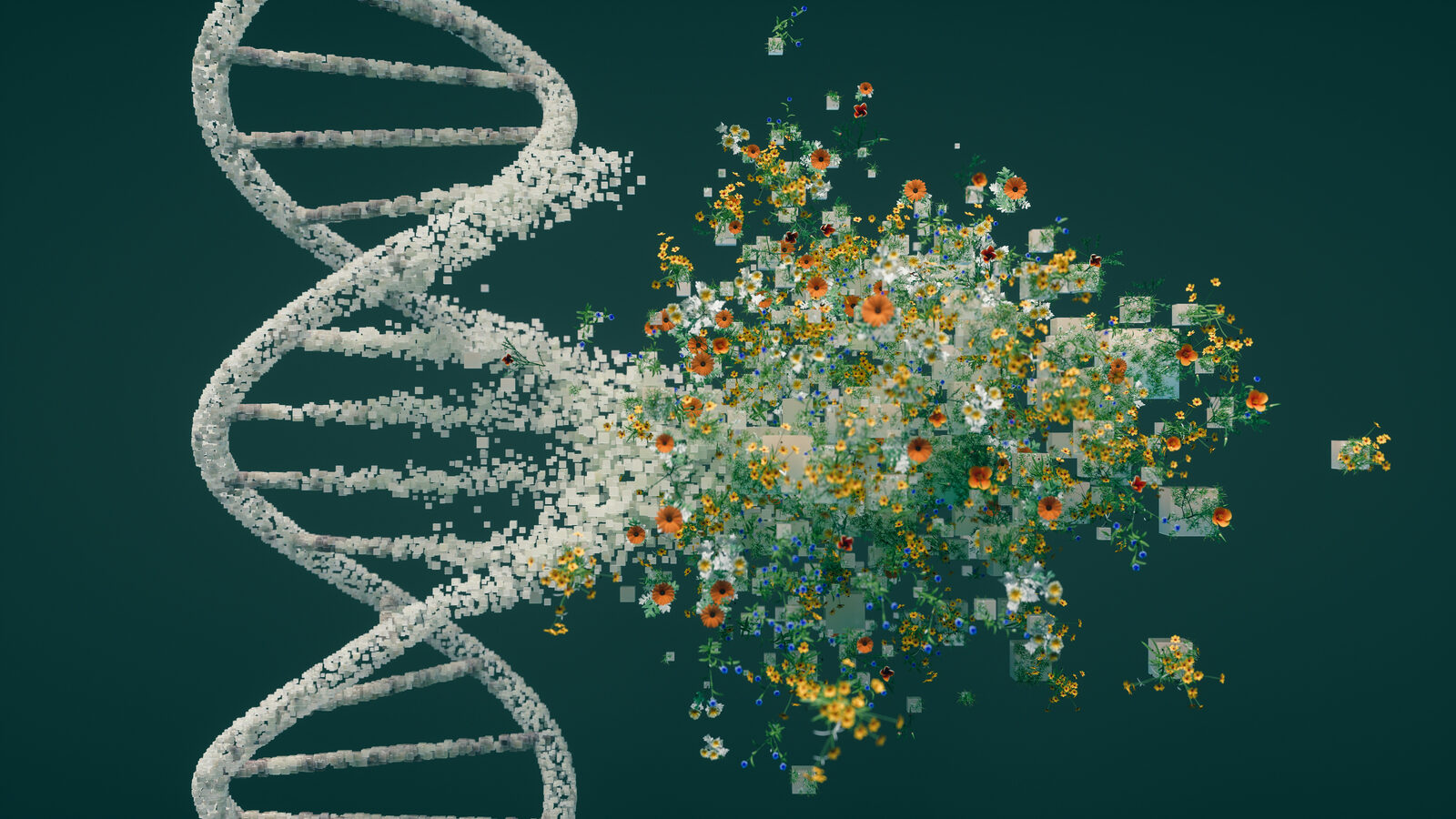
Fitness is the ability to solve solvable problems which stand between a living thing and its aim, and to succeed or adapt if a problem has no solution. Survival and reproduction are the two primary goals of all life, and humans have additional desires, both good and bad. The variations and ambiguities (why we like, what we like) of right and wrong, both subjective and social, result in secondary motivations and problems which are unique to humans.
Simple problems of life can be solved by other brains which are less advanced than ours, and we can think and do that which is complex. However, this ability to deal with the complexity is itself complicated, and, in general, many human experiences and behaviors – nihilism, suffering without any apparent reason, medical conditions because of addictions and sedentary lifestyle, drug overdose deaths, and suicides, for example – are unlikely to be found in other organisms.
Life forms that move in space-time need to be fit to survive and reproduce, but we use our minds more than our bodies, and while primal neural features are more or less shared among all animals, our higher-order thinking separates us from the rest. Our thinking is the latest and most advanced ability in the evolution of the brain, and with mind-boggling capabilities, it has weaknesses too, leading to the possibility of collective or personal harm and the stunning reversal of fundamental longing to live and procreate in many cases. Moreover, the intellect of the human brain is largely untapped and not all of us use it to its maximum. In general, it is the gene-environment interaction that can activate a genetic ability, and without trying to break the subjective boundaries regularly, the potential of all the available intellectual (or physical) traits is likely to go to waste, and the power of thinking, if not directed toward something good, can be our own worst enemy.
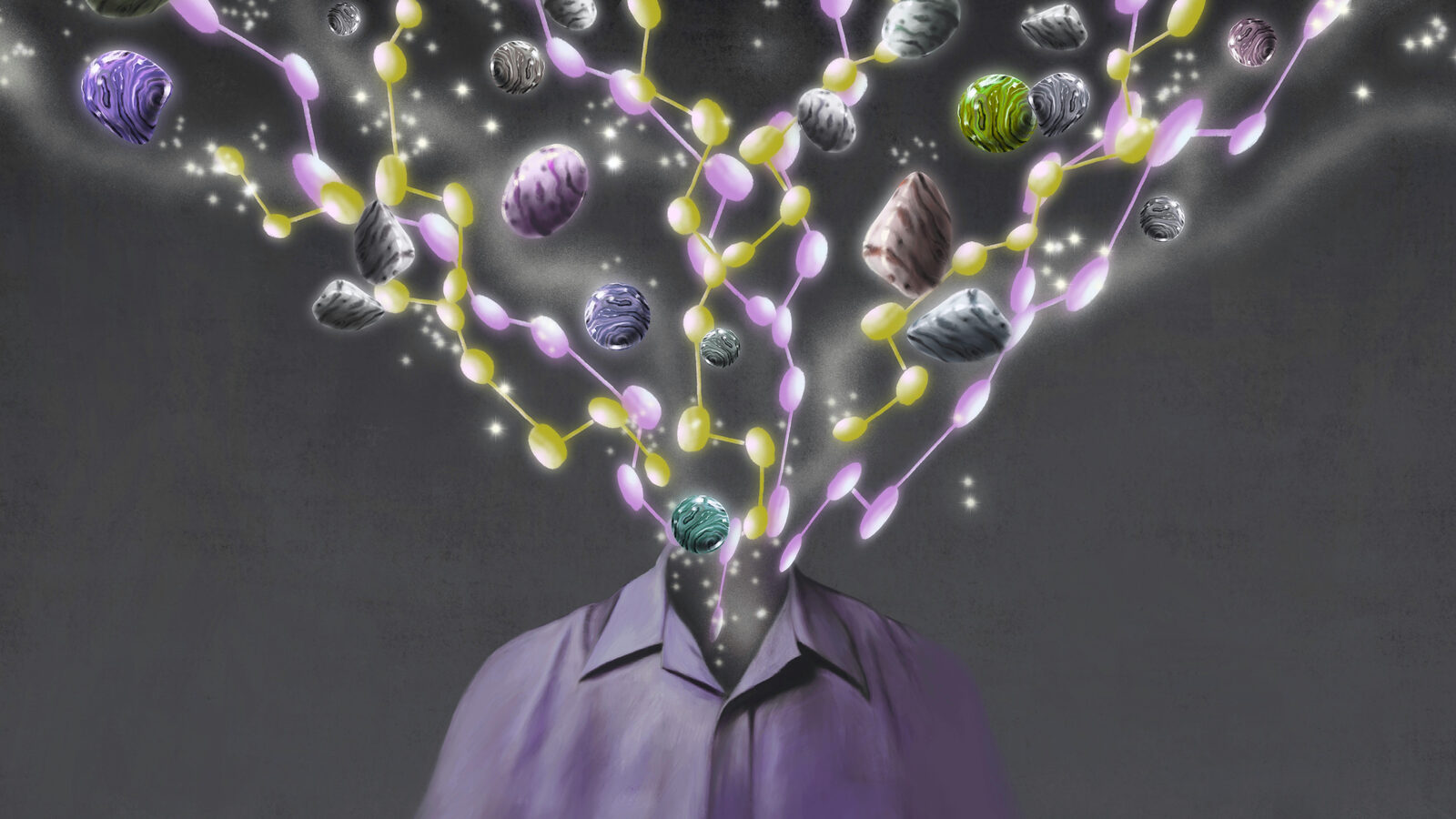
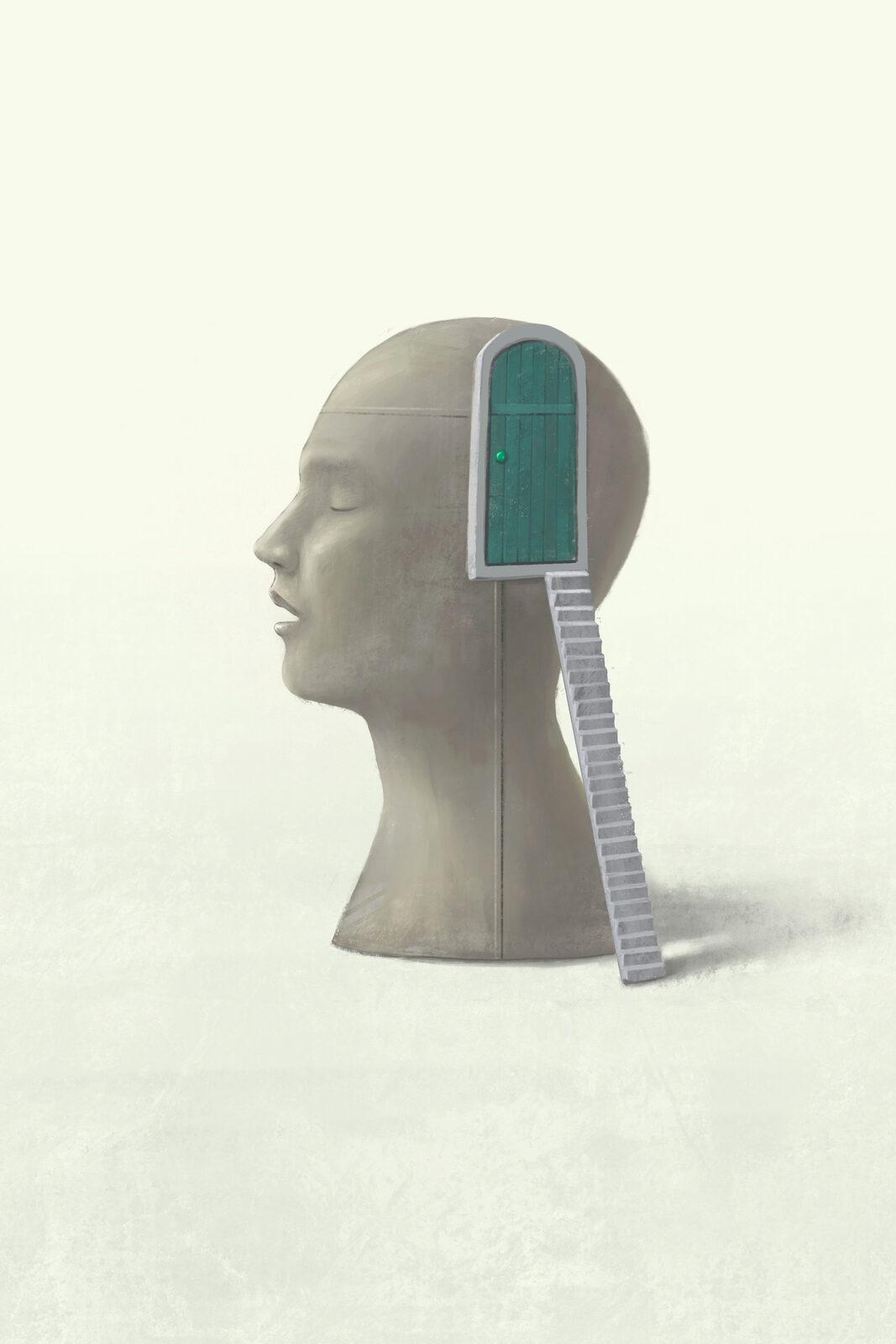
Thinking can control itself and the rest of the elements of mind – desires, emotions, and behaviors, for instance – and it can be employed to define good and bad, stop self-destruction or mediocrity, and aim high and succeed, as far as it is possible. Therefore, the fitness of our thinking (involving intellect or executive cognitive functions) – cognitive fitness – must be included in the discussion of fitness.
Physical and psychological fitness can complement each other. Leaving aside genetic and environmental factors which are beyond our direct conscious cognitive control, taking care of physical fitness is straightforward – exercise, eat a healthy diet, maintain a healthy weight, and improve posture. Our ancestors wandered much of the day to find food and were physically fit by default, but now we can eat unhealthy processed food all day sitting on our couch. The body is still the same, as it has not evolved in the last few thousand years, and the huge mismatch between the body and the current environment has turned a solution – easily available food – into a problem – health conditions because of obesity. The nervous system has also not evolved recently, and the mismatch between mind and modern environment is extremely complex, causing even more sophisticated social and personal problems. Intellectual interventions are now needed to manage the hidden mismatch between genes and the environment, and cognitive fitness can facilitate that.
Healthy eating and physical activity can prevent several chronic conditions, and cognitive fitness can help in the execution of the steps needed for physical fitness and overall health. Cognitive fitness can also minimize and manage stress (or other detrimental or dismal states) and associated negative side effects on health. As cognitive fitness can address the overall complexity of life as well, it can get far more convoluted than its counterpart, physical fitness.
Individual survival depends on the safety of a society, which is usually taken for granted, and hence societal fitness – fitness of ideas floating in a society – is also critical, especially when the functional societies keep falling with time or some disappear altogether, and social systems have also started to pollute our planet, armed with thinking and its products – science and technology.
Thinking is both conscious and subconscious. A mind can generate only a few new functional ideas in a lifetime, and thinking has a huge historical influence, both evolutionary and social. As a result, the fitness of collective thinking, novel and primitive, self-aware and subliminal, matters for the future of humanity. We need to find ways to deal with the social and cortical complexity and protect people and working societies from recurrent external destruction or self-destruction and carefully and collectively advance living systems by using our intellect and keeping track of changes and lessons across extremely large biological and social times.